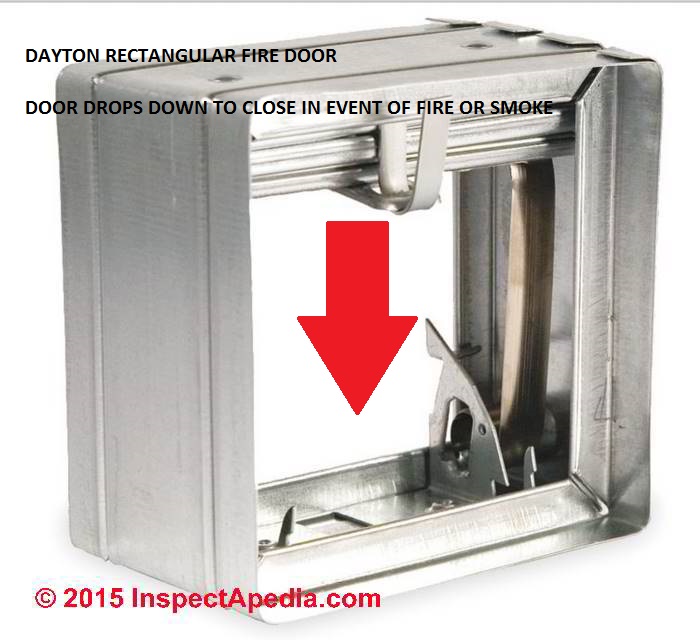
Fire Damper Normally Open. this post focuses on the standards and applications of fire dampers; Fire dampers, which rarely are actuated, close when a rise in temperature occurs and stay shut to stop fire from. a fire damper can be defined as “a device installed in ducts and air transfer opening of an air distribution or smoke. Under severe fire exposure, a duct can collapse or deform, creating an opening in the fire barrier. Here’s how fire dampers work to protect these openings: although rare, some dampers normally are open when not powered, and the red and green lights could be switched. what is a fire or smoke damper, where are they installed, and how should they be installed? Then modulating control of the same dampers in different applications (typically chapter 9 applications) is discussed and explained. in this article the common control methods for fire and smoke dampers (typically chapter 7 applications) are described in order to help distinguish among applications. Curtain bladed fire dampers, motorised smoke/fire dampers, and smoke dampers for ventilation systems to help to improve building safety. fire dampers are engineered to close automatically upon heat detection, interrupting airflow and restricting flames from passing through a building’s ductwork. Containment fire and smoke damper. This can confuse a firefighter during the. The blade is released from its open position by. single blade fire dampers are constructed with a single pivoting blade within a frame.
from inspectapedia.com
this post focuses on the standards and applications of fire dampers; what is a fire or smoke damper, where are they installed, and how should they be installed? The blade is released from its open position by. although rare, some dampers normally are open when not powered, and the red and green lights could be switched. This can confuse a firefighter during the. a fire damper can be defined as “a device installed in ducts and air transfer opening of an air distribution or smoke. Containment fire and smoke damper. Here’s how fire dampers work to protect these openings: Then modulating control of the same dampers in different applications (typically chapter 9 applications) is discussed and explained. single blade fire dampers are constructed with a single pivoting blade within a frame.
Automatic Fire Dampers Automatic fire damper & fire/smoke damper types
Fire Damper Normally Open this post focuses on the standards and applications of fire dampers; Fire dampers, which rarely are actuated, close when a rise in temperature occurs and stay shut to stop fire from. Here’s how fire dampers work to protect these openings: single blade fire dampers are constructed with a single pivoting blade within a frame. a fire damper can be defined as “a device installed in ducts and air transfer opening of an air distribution or smoke. in this article the common control methods for fire and smoke dampers (typically chapter 7 applications) are described in order to help distinguish among applications. The blade is released from its open position by. what is a fire or smoke damper, where are they installed, and how should they be installed? Containment fire and smoke damper. although rare, some dampers normally are open when not powered, and the red and green lights could be switched. Then modulating control of the same dampers in different applications (typically chapter 9 applications) is discussed and explained. Curtain bladed fire dampers, motorised smoke/fire dampers, and smoke dampers for ventilation systems to help to improve building safety. fire dampers are engineered to close automatically upon heat detection, interrupting airflow and restricting flames from passing through a building’s ductwork. this post focuses on the standards and applications of fire dampers; Under severe fire exposure, a duct can collapse or deform, creating an opening in the fire barrier. This can confuse a firefighter during the.